
Contents of this guide
Arabic-speaking pupils come to UK schools from many countries: some speak fluent English, some none at all, and some have missed months of school on the way. In Wales, Arabic is the most common main language after English, Welsh and Polish, and in Cardiff 1.4% of people speak it as their main language (ONS, Census 2021). This guide gathers what helps most in the first weeks, with letters and phrases you can use today.
Before the First Day
A few questions before the pupil starts save weeks of guesswork later. Tick them off as you go: your ticks stay on this device.
0/7
done
Start with the name: it is the one thing that is hard to change later.
First-day checklist
Names in School Records
Arabic names follow a different pattern from English names, and the same name can be spelled several ways in English letters: Mohammed, Muhammad and Mohamed are one name.
A full name often joins the person's own name, their father's name, sometimes their grandfather's, and a family name. "Bin" or "ibn" means son of, "bint" means daughter of, and "Al-" at the start of a family name means "the".
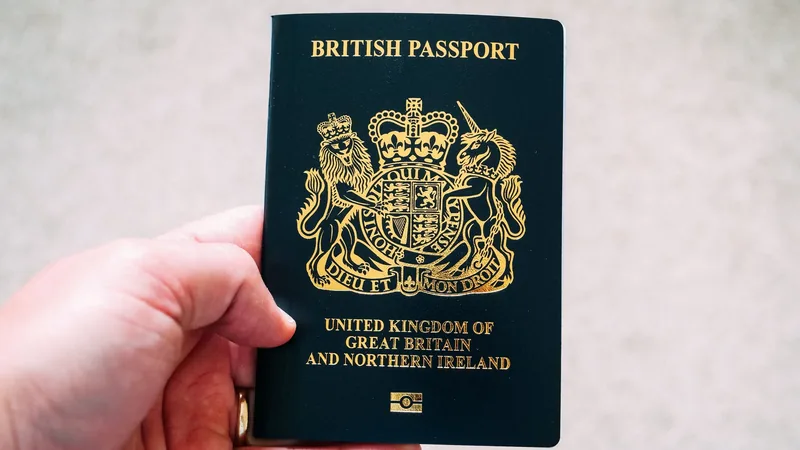
- Use the spelling on the passport for registers, exams and official letters, so every record matches the documents the family will show later.
- Ask the family which name the child answers to. It may be a short form, or a name that is not the first one on the passport.
- Keep "Al-", "El-" and "bin" as written. Dropping or merging them causes mismatches with exam boards and the Home Office.
- A child's surname on paper may not match a parent's: many Arab mothers keep their own family name, and some countries record the father's first name as the child's second name.
More on how Arabic names and titles work: our free names guide.
How Arabic Works, and What It Means for English
Arabic is written from right to left in a script where most letters join and change shape. Understanding a few differences explains many early mistakes in English, which are about the language, not about effort or hearing.
No capital letters
Arabic has no capital letters, so capitals in English are a new idea to teach, not a careless slip.
Short vowels usually not written
Everyday Arabic writing leaves most short vowels out, so English vowel spellings like bit, bet and bat take extra practice.
P and B, V and F
Many speakers say "p" as "b", especially from Egypt, and in the Gulf "v" and "f" are often mixed up (British Council).
Extra vowel before clusters
Words that start with two consonants may gain a small vowel: "espeak" for "speak" (British Council).
No "is" in the present
Arabic often needs no word for "is" or "are" in the present tense, so "He happy" can appear at first.
Who and which
Arabic uses the same relative pronoun for people and things, so the difference between "who" and "which" may need teaching (The Bell Foundation).
Numbers can look different
Egypt, Sudan, Syria, Iraq and the Gulf often use Eastern Arabic numerals: ٠ = 0, ١ = 1, ٢ = 2, ٣ = 3, ٤ = 4, ٥ = 5, ٦ = 6, ٧ = 7, ٨ = 8, ٩ = 9. Reports from a previous school may use them.
For a deeper profile of Arabic and English, see The Bell Foundation's guidance by language background.
Dialects and Interpreters
Written Arabic, called Modern Standard Arabic, is shared across the Arab world. Everyday spoken Arabic differs from country to country, and a family from Sudan and a family from Syria may find each other's dialect hard at first.
For meetings with parents, ask which country the family comes from and book an interpreter who speaks that dialect. For anything written, Modern Standard Arabic works for every family.
For important or sensitive conversations, such as health, behaviour, safeguarding or special educational needs, use a professional interpreter rather than the pupil or a brother or sister. UK government health guidance says it is inappropriate to use children as interpreters.
Interpreters can join by phone, by video or in person. The Bell Foundation also suggests staff who share the family's language and parents' evenings planned for families who use English as an additional language.
Not sure which dialect a family speaks? Our free guide to Arabic dialects explains the six main groups.
Letters Home in English and Arabic
Choose a letter, fill in the parts in square brackets, and copy or print it. The Arabic is Modern Standard Arabic, the written Arabic of every Arab country. If a parent does not read well, follow up by phone with an interpreter. Change the details in both languages before you send it.
English
العربية
English
العربية
English
العربية
English
العربية
English
العربية
Check names, dates and times in both languages before you send a letter. For anything legal or medical, ask a professional translator.
Classroom Phrases
A few words in a pupil's own language can make the first days feel safer. These phrases are in Modern Standard Arabic, which pupils recognise even if they speak differently at home. Arabic changes some words when you speak to a girl: the girl's form is shown after the slash.
| English | Arabic | Say it like this |
|---|---|---|
| Welcome! | أهلاً وسهلاً! | ahlan wa sahlan |
| My name is ... | اسمي ... | ismee ... |
| What is your name? | ما اسمك؟ | maa ismuk? |
| This is your classroom. | هذا صفّك. | haadha saffuk |
| The toilet is here. | الحمّام هنا. | al-hammaam huna |
| Do you need the toilet? | هل تريد / تريدين الذهاب إلى الحمّام؟ | hal tureed / tureedeen adh-dhahaab ilal-hammaam? |
| Drink some water. | اشرب / اشربي بعض الماء. | ishrab / ishrabee ba'd al-maa' |
| English | Arabic | Say it like this |
|---|---|---|
| Sit down, please. | اجلس / اجلسي من فضلك. | ijlis min fadlak / ijlisee min fadlik |
| Listen, please. | استمع / استمعي من فضلك. | istami' min fadlak / istami'ee min fadlik |
| Look. | انظر / انظري. | undhur / undhuree |
| Show me. | أرني / أريني. | arinee / areenee |
| Do you understand? | هل فهمت / فهمتِ؟ | hal fahimt / fahimti? |
| Try again. | حاول / حاولي مرّة أخرى. | haawil / haawilee marra ukhraa |
| Well done! | أحسنت / أحسنتِ! | ahsant / ahsanti |
| English | Arabic | Say it like this |
|---|---|---|
| Are you OK? | هل أنت بخير؟ | hal anta / anti bikhayr? |
| Are you hungry? | هل أنت جائع / جائعة؟ | hal anta jaa'i' / anti jaa'i'a? |
| Does it hurt? | هل يؤلمك؟ | hal yu'limuk? |
| Show me where it hurts. | أرني / أريني أين يؤلمك. | arinee / areenee ayna yu'limuk |
| Do you feel unwell? | هل تشعر / تشعرين بالمرض؟ | hal tash'ur / tash'ureen bil-marad? |
| You are safe here. | أنت في أمان هنا. | anta / anti fee amaan huna |
| English | Arabic | Say it like this |
|---|---|---|
| It is lunchtime. | حان وقت الغداء. | haana waqt al-ghadaa' |
| Line up, please. | قف / قفي في الصف من فضلك. | qif fis-saff min fadlak / qifee fis-saff min fadlik |
| Put your coat on. | البس / البسي معطفك. | ilbas mi'tafak / ilbasee mi'tafik |
| It is home time. | حان وقت العودة إلى البيت. | haana waqt al-'awda ilal-bayt |
| Who is collecting you today? | من سيأخذك اليوم؟ | man sa-ya'khudhuk al-yawm? |
| See you tomorrow! | أراك / أراكِ غداً! | araak / araaki ghadan |
The pronunciation is a simple guide written in English letters. A pupil or family member will happily show you how they say it at home.
Ramadan and Eid
In Ramadan many Muslim families fast from dawn to sunset for the whole month, 29 or 30 days. Young children are not required to fast, though some try a few days. From puberty fasting is a religious duty, so many older pupils fast throughout the month.
Ramadan 2027 is expected to start around Monday 8 February, and Eid al-Fitr is expected around Wednesday 10 March. The exact dates depend on the sighting of the moon, so families may confirm them only the evening before.
- Offer a quiet room at lunchtime for pupils who are fasting.
- Plan PE and long trips with fasting pupils in mind, and ask families to tell you if their child is fasting.
- Avoid putting exams, trips or performances on the expected day of Eid where you can.
- In England and Wales, the law treats absence on a day exclusively set apart for religious observance by the family's religious body as not failing to attend (Education Act 1996, section 444).
Documents Families Bring
New pupils often arrive with school reports, certificates and medical papers in Arabic. You may need them in English for admissions, setting, or an assessment for special educational needs.
Translation to read
To understand a school report or a letter from a doctor, a clear professional translation is enough.
Certified translation
When a document is used officially, for example for admissions appeals, the local authority or the Home Office, ask for a certified translation.
We translate school reports, transcripts, certificates and EHCP papers from and into Arabic, and certify them when they are needed for official use. See the price for your document in a minute.