Arabic Subtitling: Why It Requires Specialist Expertise
Arabic subtitling presents technical challenges that do not exist with Latin-script languages. Arabic text reads right-to-left, but numbers, Latin words (brand names, URLs), and technical terms within Arabic subtitles read left-to-right, creating bidirectional text that must be carefully handled to avoid jumbled or reversed displays on screen.
Character limits work differently for Arabic. While English subtitles typically allow 42 characters per line, Arabic connected script means each character has multiple forms (initial, medial, final, isolated) that affect visual width. Arabic subtitles often appear shorter on screen than English despite conveying the same information, because Arabic is a more concise language. However, some phrases expand significantly, making consistent line-length management essential for readability.
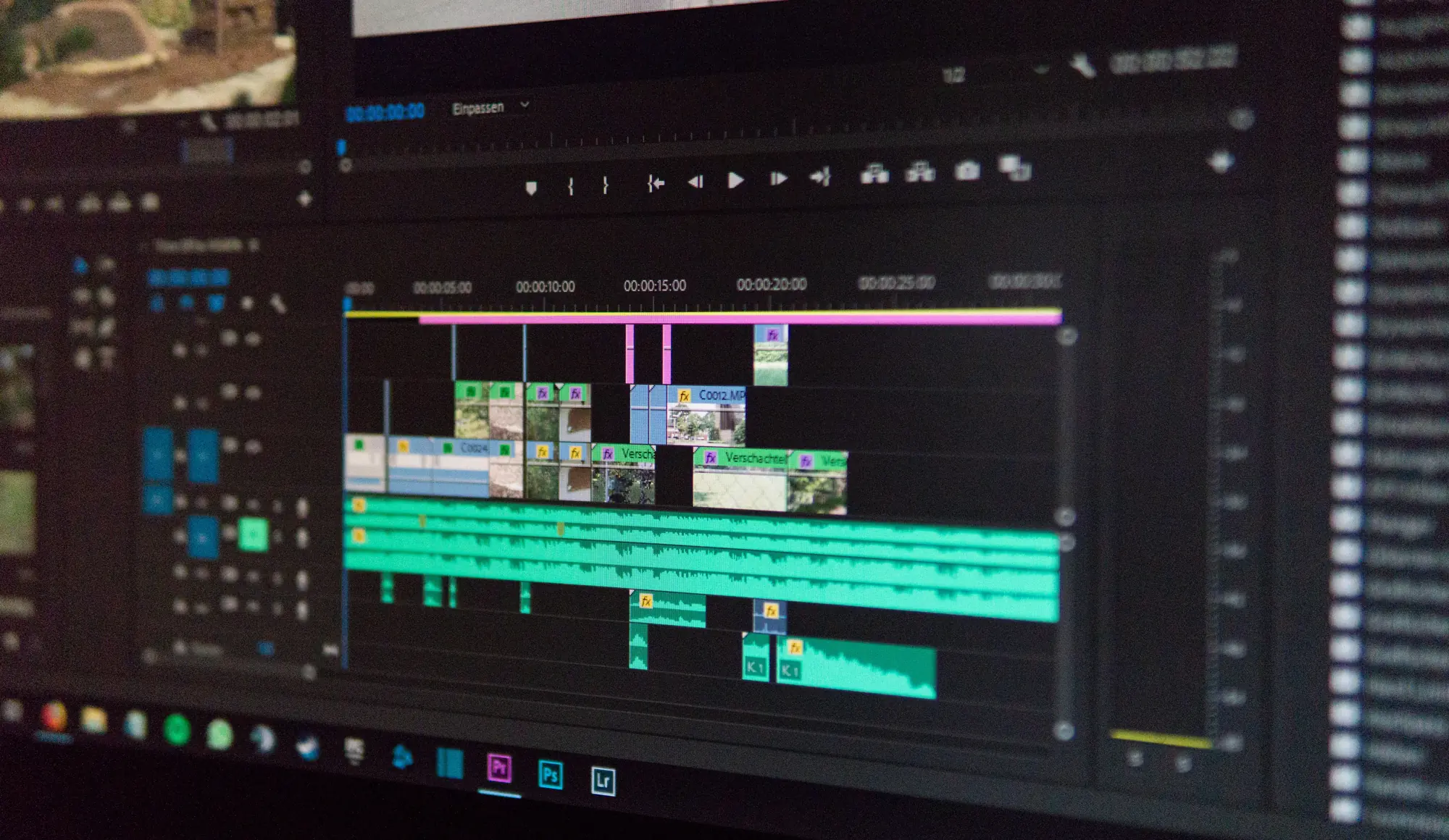
At Arabic Translation UK, our Arabic subtitlers understand these technical nuances. They work with professional subtitling software that correctly renders Arabic bidirectional text, and they test subtitle files on the target platform to ensure Arabic displays correctly before delivery. For streaming platforms like Shahid, OSN, and Netflix MENA, we follow platform-specific Arabic subtitle guidelines.
Choosing Between Arabic Subtitles and Arabic Dubbing
The choice between Arabic subtitles and full Arabic dubbing depends on your content type, target audience, and budget:
- Subtitles preferred for, adult drama, documentaries, corporate videos, e-learning, YouTube content, social media. Arab audiences are accustomed to subtitled Western content and often prefer hearing the original performances.
- Dubbing preferred for, children's content (where reading skills are limited), some entertainment genres on MBC and other Arab TV networks, and content targeting audiences who prefer spoken Arabic over reading.
- Both recommended for, streaming platforms targeting the full MENA market, accessibility compliance (SDH subtitles alongside audio), and premium content releases where maximum audience reach is important.
Arabic subtitling costs significantly less than dubbing (typically £8-£15/minute vs £250-£600/finished hour for dubbing), making it the preferred choice for most corporate and online video content. See our Arabic dubbing services for full voice replacement.
Arabic Subtitle Standards for Streaming Platforms
Each major streaming platform has specific technical requirements for Arabic subtitles that must be followed precisely for content acceptance:
- Netflix, Timed Text Markup Language (TTML) format with specific Arabic font requirements, right-to-left text direction markers, and Netflix's proprietary style guide for Arabic subtitle placement and timing.
- Amazon Prime Video, SRT or TTML formats with specific encoding requirements for Arabic characters (UTF-8 BOM), and guidelines for subtitle duration and reading speed adapted for Arabic.
- Shahid (MBC Group), The largest Arabic streaming platform requires MSA subtitles following MBC's in-house Arabic style guide, with specific rules for transliterating foreign names into Arabic.
- YouTube, SRT or VTT format with UTF-8 encoding. YouTube auto-translates subtitle files, but machine-translated Arabic is unreliable, professional subtitles significantly improve viewer retention and engagement.
We deliver Arabic subtitle files that meet the exact technical specifications of your target platform, eliminating rejection and rework. For broadcast television, we provide STL and PAC formats compliant with UK and international broadcast standards.