Arabic Names and Titles: A Cultural Guide for UK Businesses
Getting an Arab client's name and title right is a mark of respect that can make or break a business relationship. This guide explains the Arabic naming system, common honorifics, and practical tips for UK businesses.
Lingo Service
In Arab business culture, names carry weight. Getting a client's name and title right is a mark of respect that signals cultural awareness and professionalism. Getting it wrong, misspelling a name, using the wrong title, or addressing someone too informally, can create an awkward start to a business relationship.
This guide explains how Arabic names work, the most common titles and honorifics, and practical tips for UK businesses working with Arab clients and partners.
How Arabic Names Work
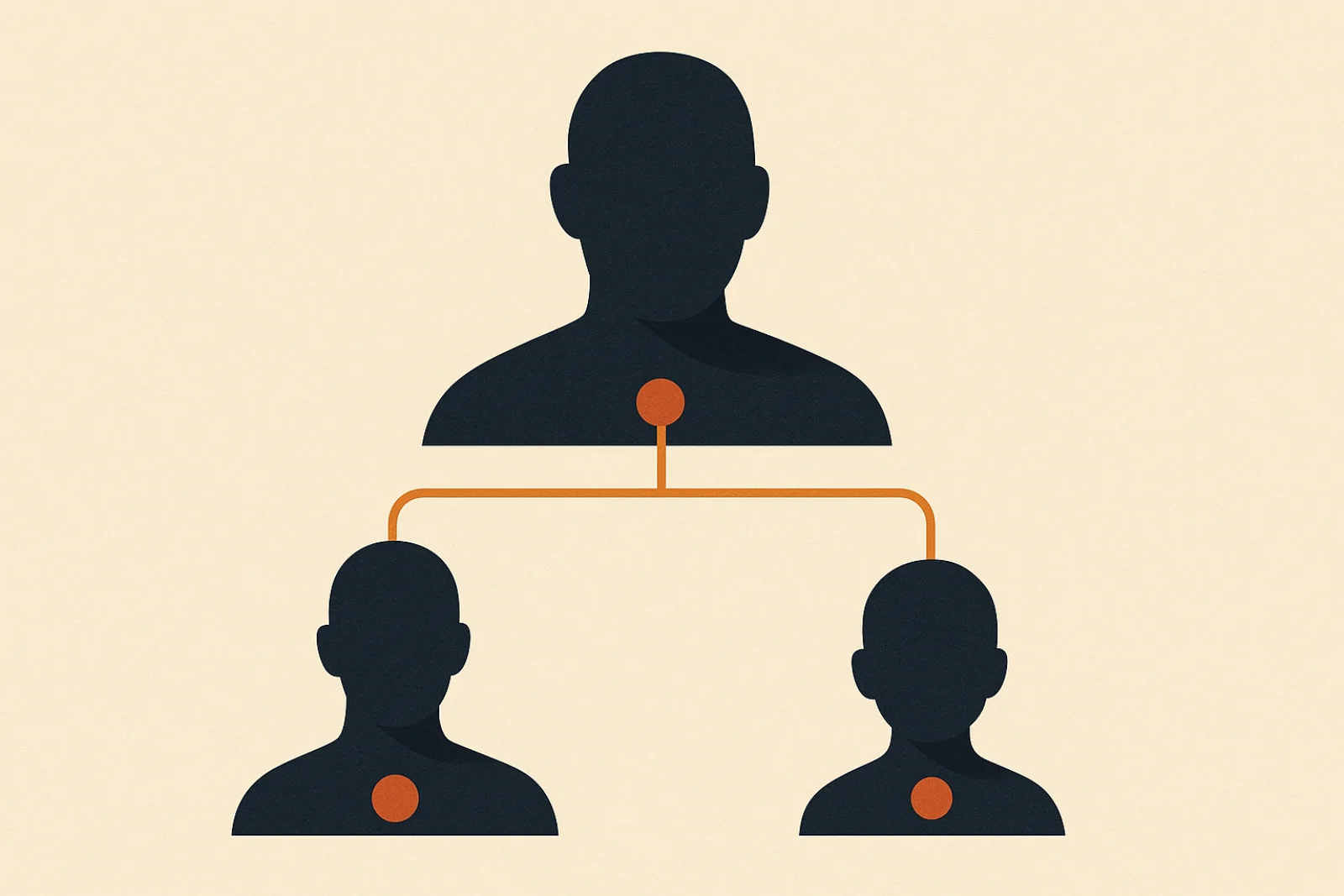
Arabic names follow a different structure from English names. Rather than a simple first name + surname system, Arabic names can include up to five components:
Ism (الاسم)، The Given Name
The ism is the personal name, equivalent to a first name. Common male names include Mohammed, Ahmed, Ali, Omar, and Khalid. Common female names include Fatima, Aisha, Mariam, Noor, and Layla. Many names have religious significance, Mohammed (the Prophet's name) is the most common male name in the world.
Nasab (النسب)، Patronymic
The nasab indicates lineage using "bin" (son of) or "bint" (daughter of). Mohammed bin Salman means "Mohammed, son of Salman." This can extend through multiple generations: Mohammed bin Salman bin Abdulaziz means "Mohammed, son of Salman, son of Abdulaziz."
In everyday use, many Arab families have adopted a fixed family surname (especially in Egypt, Lebanon, and the Levant), but the patronymic system remains dominant in the Gulf states and Saudi Arabia.
Laqab (اللقب)، Title or Epithet
The laqab is a descriptive title or epithet, often historical or honorific. In modern usage, this is typically the family name or tribal name. Examples include Al Saud (the Saudi royal family), Al Maktoum (Dubai's ruling family), and Al Thani (Qatar's ruling family). The "Al" here means "family of" (different from the definite article "al-").
Kunya (الكنية)، Parental Honorific
The kunya uses "Abu" (father of) or "Umm" (mother of) followed by the name of the eldest son. A man whose eldest son is named Mohammed might be called Abu Mohammed as a respectful form of address. This is particularly common in Palestinian, Iraqi, and Levantine culture, and using someone's kunya shows familiarity and warmth.
Nisba (النسبة)، Geographic or Tribal Origin
The nisba indicates geographic origin, tribal affiliation, or profession. It typically ends in "-i" (masculine) or "-iya" (feminine). Examples: Al-Masri (the Egyptian), Al-Baghdadi (from Baghdad), Al-Qurashi (of the Quraysh tribe). In modern names, the nisba often functions as a surname.
Common Titles and Honorifics
Using the correct title is essential in Arab business culture. Here are the most common:
Sheikh (شيخ), Used for tribal leaders, religious scholars, and members of ruling families in the Gulf. In the GCC, addressing a member of the ruling family without "Sheikh" would be a serious breach of protocol. It's also used as a general honorific for respected elders in some communities.
Sayyid / Sayyida (سيد / سيدة), The Arabic equivalent of Mr/Mrs. This is the safe, polite default when you're unsure of someone's specific title. "Sayyid Ahmed" = "Mr Ahmed."
Ustaz / Ustaza (أستاذ / أستاذة), Literally "professor" or "teacher," but used more broadly as an honorific for educated professionals. In Egypt particularly, addressing a businessperson as "Ustaz" is a sign of respect. Similar to calling someone "sir" in British English, but more personal.
Doctor (دكتور), Used for both medical doctors and PhD holders. In Arab business culture, academic titles are used consistently, a Dr is always addressed as Dr, even in informal settings. Dropping the title would be considered disrespectful.
Hajj / Hajja (حاج / حاجة), Used for someone who has completed the Hajj pilgrimage to Mecca. In everyday use, especially in Egypt and the Levant, it's also a general respectful term for older people.
Engineer / Muhandis (مهندس), In the Arab world, "Engineer" is used as a professional title similar to "Doctor." An engineer is addressed as "Muhandis Ahmed" in Arabic contexts. This is particularly relevant in Gulf business settings where engineering is a prestigious profession.
Practical Tips for UK Businesses
Business Cards
If you're meeting Gulf clients, consider having bilingual business cards printed with English on one side and Arabic on the other. Present your card with both hands or with the right hand, never the left, which is considered disrespectful in Arab culture. Our Arabic desktop publishing service can prepare bilingual materials.
Email and Written Communication
- Use full names and titles in initial correspondence: "Dear Sheikh Mohammed bin Rashid" not "Dear Mohammed"
- Don't shorten names unless invited to. "Abdul" is not a standalone name, it's part of a compound (Abdullah = servant of God, Abdulrahman = servant of the Merciful)
- If you're translating correspondence into Arabic, our business translation service ensures appropriate formality and correct name rendering
Meetings and Introductions
- Use titles consistently. If someone is introduced as "Dr Al-Rashid," continue using "Dr Al-Rashid" throughout the meeting
- Handshakes between men are standard, but wait for a woman to extend her hand first, some Arab women prefer not to shake hands with men for religious reasons. A nod and hand over heart is a respectful alternative
- Small talk and relationship-building come before business in Arab culture. Don't rush to the agenda, ask about family, health, and recent travels first
- For important meetings, consider hiring a professional Arabic business interpreter who can navigate both language and cultural protocols
Common Mistakes to Avoid
- Don't assume "bin" is a middle name. It's a patronymic meaning "son of", filing "Mohammed bin Salman" under "B" in your CRM makes no sense.
- Don't split compound names. "Abdul" alone is incomplete and incorrect. "Abdulaziz" is one name meaning "servant of the Mighty." Similarly, "Abu" and "Umm" are always followed by another name.
- Don't assume all Arabs have the same naming conventions. Egyptian names follow a different pattern from Saudi names. Lebanese Christians may use French-influenced naming patterns. Moroccan names may include Berber elements.
- Don't use first names too quickly. In Gulf business culture, switching to first names signals a level of intimacy that should be earned, not assumed. Wait for your counterpart to invite informality.
Getting Names Right in Translation
Arabic name transliteration, converting Arabic script names into Latin letters, is more complex than it appears. The same Arabic name can be spelled multiple ways in English: Mohammed, Muhammad, Mohamed, Muhammed are all transliterations of the same name (محمد). Similarly, Omar and Umar, Hussain and Hussein, Qasim and Kassem.
For official documents, consistency is critical. A birth certificate, passport, and university degree should all spell a person's name the same way. Our certified translation service ensures consistent transliteration across all documents, matching the spelling used in official records.
Need help with Arabic names, titles, or business communications? Contact us or call 0800 193 8888, we're always happy to advise.
Topics
Lingo Service
Professional Translation Services Since 2012
Trusted by UK solicitors, businesses and government. Arabic translation specialists, UKVI certified.
Found this useful?
Pass it on to people you know