Why Energy Translation Requires Technical Specialists
Translating for the energy sector calls for people who know engineering principles, safety-critical terms and the rules that govern the industry, not just languages. One wrong word in an HSE procedure, a vague emergency response protocol or a technical specification open to two readings can lead to serious trouble, from incidents on site to breaches of regulation and delayed projects.
Energy work brings together complex engineering, strict safety demands and cooperation across borders. Oil and gas projects cross many countries and legal systems. Renewable schemes need documents that satisfy environmental regulators, grid operators and planning authorities. Nuclear projects expect the highest level of precision and traceability in every translated document.
Among our energy translators are petroleum engineers, electrical engineers and environmental scientists with experience in the sector. They know HSE management systems, offshore work, drilling vocabulary and how power is generated. With that technical grounding, our translations are correct as language and sound in practice.
The UK Energy Translation Landscape
UK energy is changing fast. Money is flowing into offshore wind, hydrogen, carbon capture and the grid, while work in the North Sea carries on. The result is a wide range of translation needs, from classic oil and gas documents to new renewable technology and the rules that govern the energy transition.
The main energy translation needs in the UK are:
- North Sea work: safety-critical documents for offshore platforms, drilling and decommissioning. HSE documents must meet the rules of the Health and Safety Executive as well as international standards
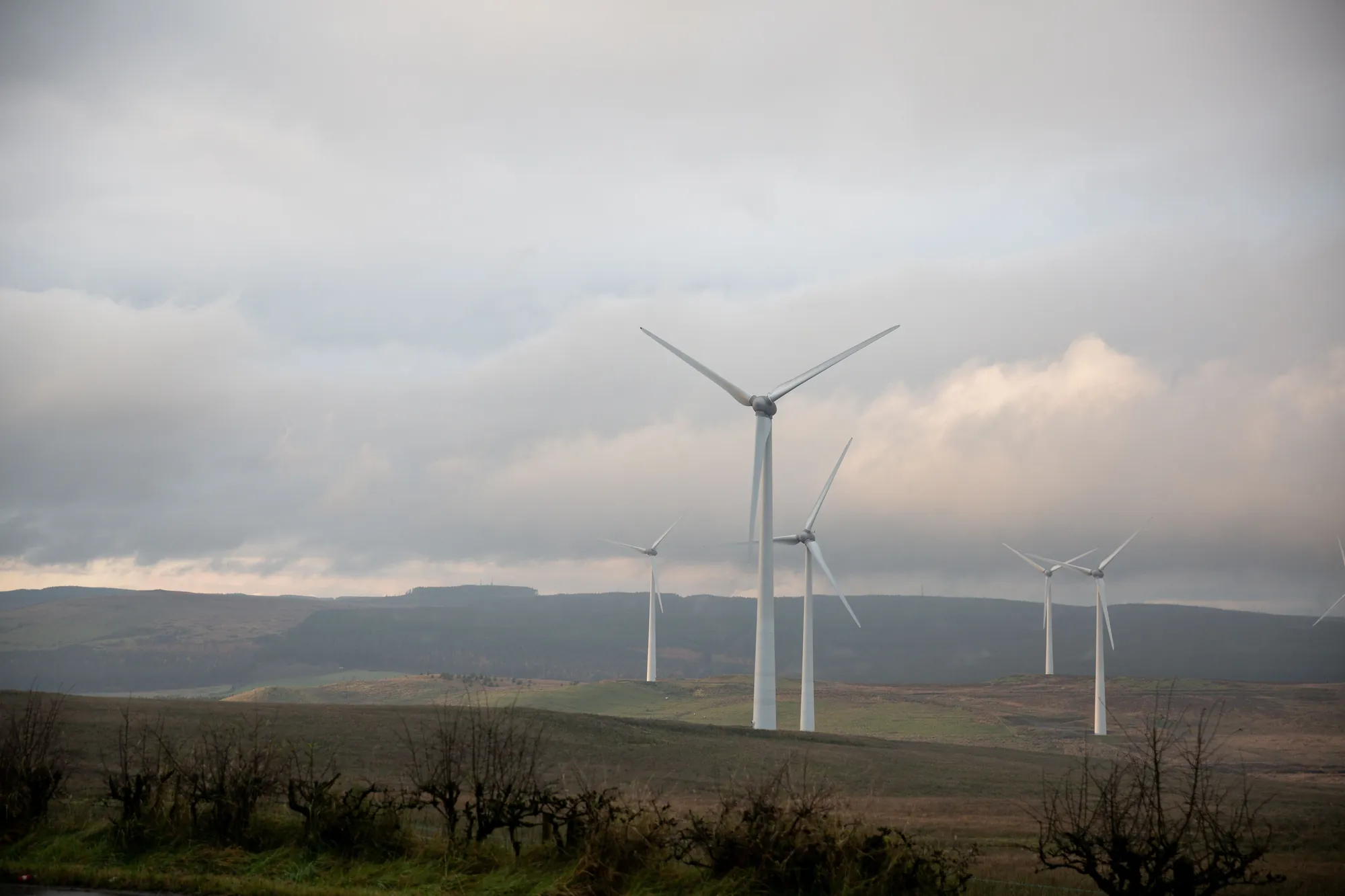
- Wind at sea: the UK leads the way in offshore wind, which calls for translated turbine documents, environmental impact assessments, grid connection applications and procedures for installing at sea
- Projects abroad: UK energy firms work worldwide, so work in Latin America, Africa, Southeast Asia and the Middle East needs translation. Local regulatory filings, partnership agreements and operating documents must all be translated accurately
- The energy transition: battery storage, hydrogen schemes and carbon capture and storage (CCS) need new technical terms and the regulatory documents for these new technologies translated
HSE Documentation and Safety-Critical Translation
In energy, health, safety and environmental documents carry special weight. They bear directly on the safety of workers and the protection of the environment, and a mistake in a safety procedure, a permit-to-work system or an emergency response plan can cause serious harm.
How we handle HSE translation:
- Terms where safety is at stake: we keep checked HSE glossaries in each language, so words such as "hot work permit", "isolation", "confined space entry" and "lockout/tagout" are always translated the same way
- Meeting local rules: HSE documents have to satisfy the regulator in each country. We know the HSE rules of Norway (Petroleum Safety Authority), the UK (HSE) and other big energy markets, plus international frameworks (ILO, IMO)
- Talking to a mixed workforce: energy projects often employ people from many countries. Safety briefings, toolbox talks and incident reports are translated into the languages your site teams speak
- Emergency planning: emergency response plans, evacuation steps and crisis messages must be perfectly clear. For critical safety documents, we back-translate to confirm accuracy
On large energy projects, we run workshops with your HSE team to align terms, so our translations follow the safety vocabulary and procedures you already use.