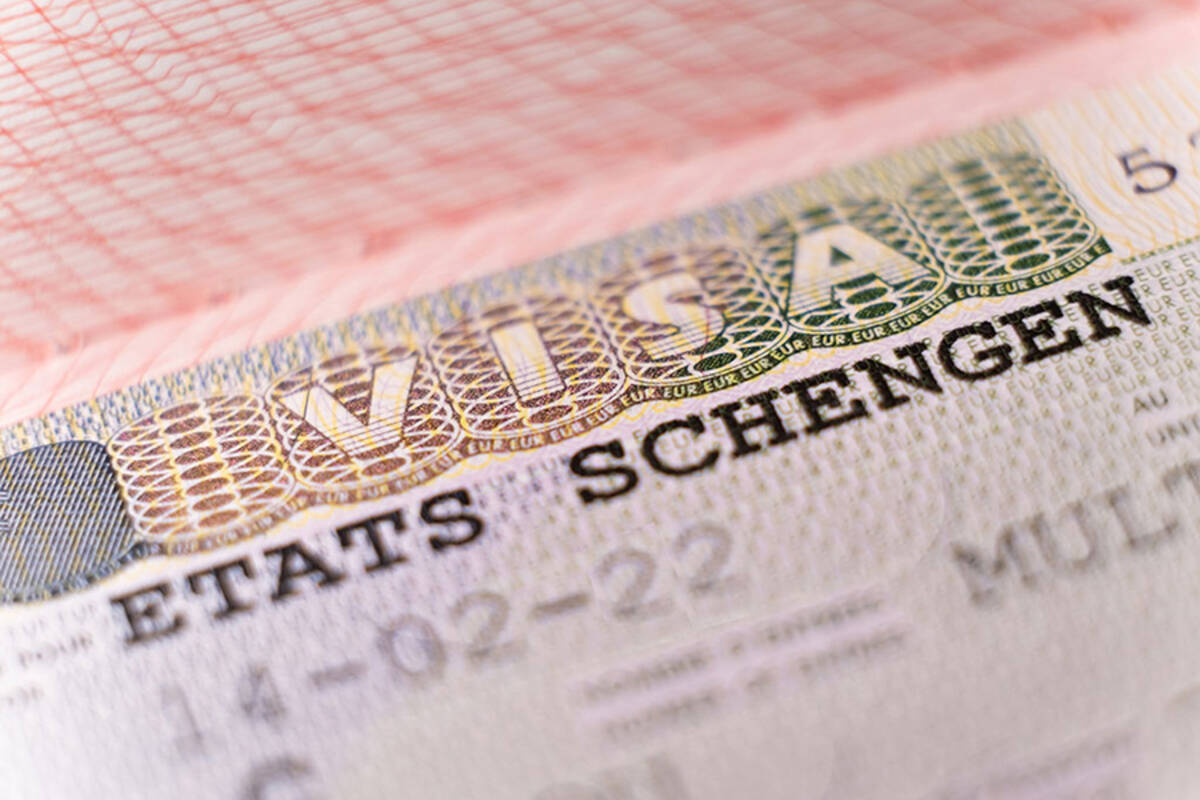
Arabic Immigration & Visa Translation

Certified Arabic translation for UK visa applications, Home Office submissions, and immigration purposes. Birth certificates, marriage certificates, bank statements, police clearances. UKVI-accepted format, fast turnaround, digital delivery.

CERTIFIED
ISO 17100
MEMBER
ITI Accredited
14
Years Experience
50,000+
Documents Translated
4.9
Customer Rating

Speak to our business team → Learn more

Arabic Immigration & Visa Translation

Translation Services We Provide

Comprehensive translation solutions for arabic immigration & visa translation industry

Personal Documents

Birth, marriage, divorce certificates

Identity Documents

Passports, ID cards, driving licences

Financial Documents

Bank statements, payslips, tax returns

Police Clearances

Criminal record certificates, good conduct

Academic Documents

Degrees, diplomas, transcripts

Employment Documents

Employment letters, contracts, references

Why Choose Us

UKVI Accepted

Format accepted by Home Office and UKVI

Fast Turnaround

24-48 hour standard, same-day available

Certified

Signed certification statement included

Digital Delivery

PDF delivered by email, hard copy optional

Arabic Immigration Translation: Which Documents Does UKVI Require?

UK Visas and Immigration (UKVI) requires certified English translations of all foreign-language documents submitted with visa applications. For Arabic-speaking applicants, this typically means translating a wide range of personal, financial, and legal documents — each of which must meet UKVI's specific formatting and certification requirements.

The most commonly translated Arabic documents for UK immigration include:

  • Birth certificates — Required for almost every visa type. Arabic birth certificates vary significantly by country: Egyptian certificates are bilingual (Arabic/English), Syrian certificates follow a family booklet format, Saudi certificates are issued in Arabic only, and Moroccan certificates may be bilingual (Arabic/French). Each format requires a translator who understands the specific layout.
  • Marriage certificates — Essential for spouse and partner visas. Islamic marriage contracts (عقد الزواج) from countries like Saudi Arabia, Iraq, and Yemen contain religious and legal terminology that requires specialist translation. Egyptian marriage certificates issued by the civil registry differ from those issued by religious authorities.
  • Bank statements and financial documents — Needed for proof of funds and maintenance requirements. Banks in the Gulf states (Saudi Arabia, UAE, Kuwait, Qatar) issue statements in Arabic or bilingual format. Iraqi and Syrian banks may issue handwritten or partially typed statements that require careful interpretation.
  • Police clearance certificates — Required for settlement (ILR) and certain work visas. Each Arab country has its own format: Saudi Arabia issues a حسن سيرة وسلوك, Egypt issues a فيش وتشبيه, and the UAE issues a شهادة حسن سلوك. We translate police clearances from all 22 Arab League countries.
  • Academic documents — Degree certificates, transcripts, and professional qualifications from Arab universities. Important for Skilled Worker visas, student visas, and points-based applications where qualifications affect eligibility.

Documents from Arabic-speaking countries across the Middle East and North Africa — including Syria, Iraq, Egypt, Saudi Arabia, the UAE, Yemen, Sudan, Libya, Jordan, Lebanon, Kuwait, and Qatar — each have distinctive formats, stamps, and terminology. Our translators have direct experience with official documents from every Arab League country, ensuring accurate translation that UKVI accepts without query.

Understanding UK Visa Categories for Arabic Speakers

Arabic is one of the most frequently encountered languages in UK immigration, reflecting both the size of the UK's Arabic-speaking community and the ongoing demand for visas from across the Arab world. Different visa categories require different sets of translated documents, and understanding what your application needs can save time and avoid costly delays.

  • Spouse and partner visas — The most document-intensive visa category. Applicants must provide translated marriage certificates, birth certificates, financial evidence, accommodation details, and English language test results. For marriages conducted in Arab countries, the Islamic marriage contract and any civil registration documents both need translation.
  • Skilled Worker visas — Require translated qualifications, professional certificates, and sometimes employment references from previous roles in Arabic-speaking countries. Gulf-based professionals relocating to the UK often need translated experience letters from employers in Saudi Arabia, the UAE, or Qatar.
  • Student visas — Require translated academic transcripts, degree certificates, and financial sponsorship letters. Students from Arab countries may also need translated bank statements showing tuition and maintenance funds, particularly if sponsored by family members in the Gulf.
  • Settlement visas (ILR) — Indefinite Leave to Remain applications require translated police clearances from every country where the applicant has lived for 12 months or more. For applicants who have lived in multiple Arab countries, this can mean translating police clearances from several different jurisdictions.
  • Asylum and protection — Arabic speakers form a significant proportion of UK asylum applicants, particularly from Syria, Iraq, Yemen, Sudan, and Libya. Asylum claims require translated identity documents, personal statements, country-of-origin evidence, and supporting documentation. The Syrian resettlement programme and Iraqi interpreters scheme have specific documentation requirements.

We provide certified Arabic translation for every UK visa category and can advise on which documents typically need translation for your specific application type. For applicants submitting multiple documents, we offer multi-document discounts and can prioritise urgent visa deadlines.

Why Certified Translation Matters for Immigration Applications

Submitting uncertified or incorrectly formatted translations is one of the most common reasons UK visa applications are delayed or refused. UKVI has clear requirements for how translated documents must be presented, and understanding the difference between certification levels helps you submit the right format first time.

  • Certified translation — The standard requirement for UKVI visa applications. A certified translation includes a signed statement from the translator (or translation company) confirming the translation is a true and accurate rendering of the original document. The statement must include the translator's name, qualifications, date, and contact details. This is what UKVI requires for the vast majority of immigration applications.
  • Notarised translation — A certified translation that has been additionally verified by a UK notary public. Notarisation is not typically required by UKVI for UK visa applications, but it may be needed when submitting documents to Arab embassies, consulates, or foreign authorities. Some immigration solicitors request notarised translations as an extra safeguard for complex cases.
  • Apostille translation — The highest level of document authentication, involving an apostille stamp from the FCDO (Foreign, Commonwealth and Development Office). Required when UK documents need to be legally recognised in countries that are members of the Hague Apostille Convention. Several Arab countries (including the UAE, Saudi Arabia, Bahrain, and Oman) accept apostilled documents.

Common reasons immigration translations are rejected include:

  • Missing certification statement — The translation does not include a signed declaration of accuracy. UKVI will not accept translations without this statement, even if the translation itself is accurate.
  • Incomplete translation — Stamps, seals, handwritten annotations, or marginal notes on the original Arabic document were not included in the translation. UKVI requires a complete translation of everything visible on the document.
  • Incorrect translator credentials — The certification statement does not include the translator's qualifications or the statement is signed by someone who is not a professional translator. Machine translations (Google Translate, DeepL) are never accepted.
  • Poor formatting — The translation layout does not mirror the original document, making it difficult for caseworkers to cross-reference information between the Arabic original and the English translation.

Our certified Arabic translations are formatted to UKVI standards and have a 100% acceptance rate across all UK immigration application types. Every translation includes a full certification statement, is formatted to mirror the original document layout, and is delivered as a PDF ready for submission.

Client Types We Serve

Visa Types

  • Spouse/Partner visas
  • Skilled Worker visas
  • Student visas
  • Visit visas
  • Settlement (ILR)

Document Types

  • Birth certificates
  • Marriage certificates
  • Bank statements
  • Police clearances
  • Degree certificates

Clients

  • Visa applicants
  • Immigration solicitors
  • Relocation companies
  • HR departments

Enterprise & Volume Solutions

Scalable translation solutions for organisations with ongoing or high-volume arabic immigration & visa translation translation requirements

Dedicated Account Manager

Single point of contact for all your translation needs. Priority support and project coordination.

Volume Pricing

Competitive rates for high-volume projects. Translation memory reduces costs on recurring content.

Framework Agreements

SLA-backed contracts with guaranteed turnaround times, fixed pricing, and service level commitments.

Security & Compliance

ISO 17100 certified. GDPR compliant. NDA protection. Secure file handling for sensitive documents.

Explore Enterprise Solutions

Or call our enterprise team: 0800 193 8888

Our Process

Upload Document

Upload scan or photo of original document

Quote

Instant quote, pay online

Translation

Professional Arabic translation with certification

Delivery

PDF by email within 24-48 hours

Case Study

Immigration Translation

Providing certified translations for UK visa applications, accepted by UKVI, Home Office, and immigration tribunals.

View All Case Studies

Frequently Asked Questions

Common questions about arabic immigration & visa translation

Yes — our certified translations are accepted by UKVI, Home Office, immigration tribunals, and UK embassies worldwide. Format includes translator declaration, qualifications, date, and contact details as required.

Standard documents (certificates) are competitively priced per page. Bank statements: From £25 per page. Larger documents: £0.12-£0.15/word. Same-day: +40%. Next-day: +15%. Contact for multi-document quotes.

Standard: 24-48 hours. Same-day: Available for urgent visa deadlines (order by 10am). Next-day guaranteed: Order by 5pm. Volume discounts for multiple documents.

Scans/photos sufficient for translation. Clear, complete images required. Original documents not needed. We translate from your uploaded files and certify the translation.

Common documents: Marriage certificate, birth certificates, divorce decree (if applicable), bank statements (6 months), payslips, employment letter, accommodation evidence. All foreign-language documents need certified translation.

Yes — we translate official documents from all 22 Arab League countries, including Syria, Iraq, Egypt, Saudi Arabia, the UAE, Jordan, Lebanon, Kuwait, Qatar, Bahrain, Oman, Yemen, Libya, Tunisia, Algeria, Morocco, Sudan, Somalia, Palestine, Mauritania, Djibouti, and Comoros. Each country issues documents in different formats, layouts, and with varying levels of Arabic/French or Arabic/English bilingual text. Our translators are familiar with the specific document formats from each country, so we know exactly how to handle a Syrian family booklet, an Egyptian birth certificate, a Saudi marriage contract, or a Moroccan bilingual civil status extract.

Yes — we provide certified Arabic translation for asylum seekers and refugees from Syria, Iraq, Sudan, Yemen, Libya, and other Arabic-speaking countries. We translate identity documents, personal statements, country-of-origin evidence, medical reports, and supporting correspondence for asylum claims. Our translators understand the sensitivity of these cases and handle documents with complete confidentiality. We also support the settlement visa process for refugees granted leave to remain.

Yes — we work with immigration law firms across the UK and offer dedicated account facilities for regular clients. Benefits include volume discounts, consolidated monthly invoicing, priority turnaround for urgent visa deadlines, and a dedicated account manager. Many of our solicitor clients send us multiple cases per week. Learn about our enterprise and law firm account options.

For most UK immigration purposes (UKVI visa applications, Home Office submissions, immigration tribunals), a certified translation is sufficient. This includes a signed declaration confirming the translation is accurate and complete. Notarised translation adds verification by a UK notary public — this is typically only required when submitting documents to authorities in Arab countries or for use abroad. Apostille translation adds a further level of international authentication via the FCDO. We can advise which level your application requires.

Need Arabic Immigration & Visa Translation?

Get started in less than 60 seconds