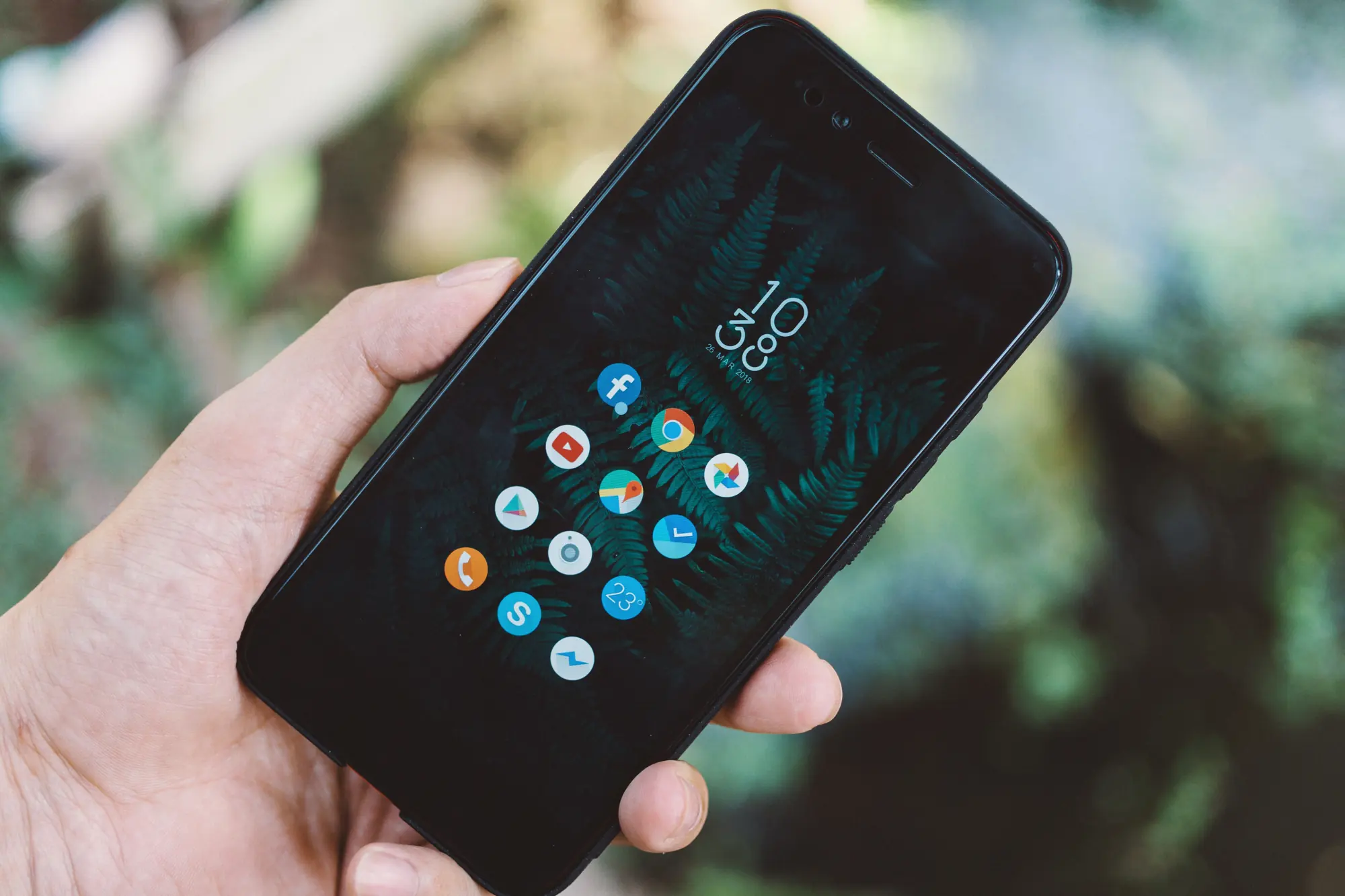
The MENA Mobile Market: 200+ Million Arabic Smartphone Users
The Middle East and North Africa (MENA) region has one of the highest smartphone penetration rates globally, with over 200 million Arabic-speaking smartphone users across 22 countries. For app developers and publishers, Arabic localisation unlocks access to a massive, digitally engaged audience with strong purchasing power, particularly in the Gulf states.
Key MENA mobile market characteristics for app developers:
- Saudi Arabia, Over 30 million smartphone users with one of the world's highest app download rates per capita. Saudi users spend significantly on in-app purchases and subscriptions, making it the most valuable individual Arabic app market. The Saudi market favours apps in Arabic, and Arabic-localised apps consistently outperform English-only versions in Saudi app store rankings.
- UAE, High-income market with strong adoption of fintech, e-commerce, and on-demand service apps. Both the iOS App Store and Google Play see high revenue-per-user figures from UAE-based downloads. Arabic app store listings significantly improve visibility among the UAE's Arabic-speaking majority.
- Egypt, The largest Arabic-speaking population at 100+ million, with rapidly growing smartphone adoption and mobile internet usage. While average revenue per user is lower than the Gulf, the sheer volume makes Egypt critical for apps relying on ad revenue, freemium models, or market share growth.
- RTL development requirements, Arabic mobile apps require right-to-left UI mirroring, which affects navigation direction, gesture handling (swipe directions reverse), text input field alignment, and horizontal scroll behaviour. Frameworks like Flutter and SwiftUI handle some RTL automatically, but React Native and older native Android apps often need manual RTL configuration.
We help UK app developers localise for the Arabic market, handling everything from string translation and RTL adaptation to Arabic QA testing on real devices across iOS and Android platforms.
Arabic App Store Optimisation: Getting Found by Arabic Users
App Store Optimisation (ASO) for Arabic is fundamentally different from English ASO. Direct translation of English keywords, titles, and descriptions into Arabic almost never produces optimal results because Arabic-speaking users search differently, use different terminology, and respond to different messaging in app store listings.
How Arabic ASO differs from English:
- Arabic keyword research, Arabic search terms are often morphologically different from their English equivalents. A single Arabic root can generate dozens of word forms, and users may search using any of them. For example, an Arabic user searching for a translation app might use "ترجمة" (translation), "مترجم" (translator), "ترجم" (translate), or "تطبيق ترجمة" (translation app), each requiring separate ASO targeting. We research actual Arabic search behaviour on both the iOS App Store and Google Play to identify the highest-traffic Arabic keywords for your app category.
- Arabic app store titles and subtitles, iOS allows 30 characters for app titles and 30 for subtitles; Google Play allows 30 for titles and 80 for short descriptions. Arabic text in these limited spaces must be carefully crafted to include target keywords while remaining natural and compelling. Arabic's connected script means character count works differently from English, an Arabic word may be fewer characters but occupy similar visual space.
- Arabic app descriptions, Full app descriptions should be written in clear Modern Standard Arabic (MSA) that appeals to users across the Arab world. Descriptions should highlight features relevant to Arabic-speaking markets, use Arabic bullet points and formatting, and include calls-to-action that match Arab user expectations.
- Localised screenshots and preview videos, App store screenshots showing Arabic UI and Arabic-language text significantly improve conversion rates for Arabic-speaking users. Preview videos with Arabic narration or subtitles further increase installs.
Our Arabic ASO service includes keyword research, competitive analysis of Arabic-language apps in your category, optimised Arabic listings for both iOS and Google Play, and ongoing ASO performance tracking with monthly keyword adjustments based on actual download and search data.